Blog
-
Pneumatic vs. non-pneumatic cuffs
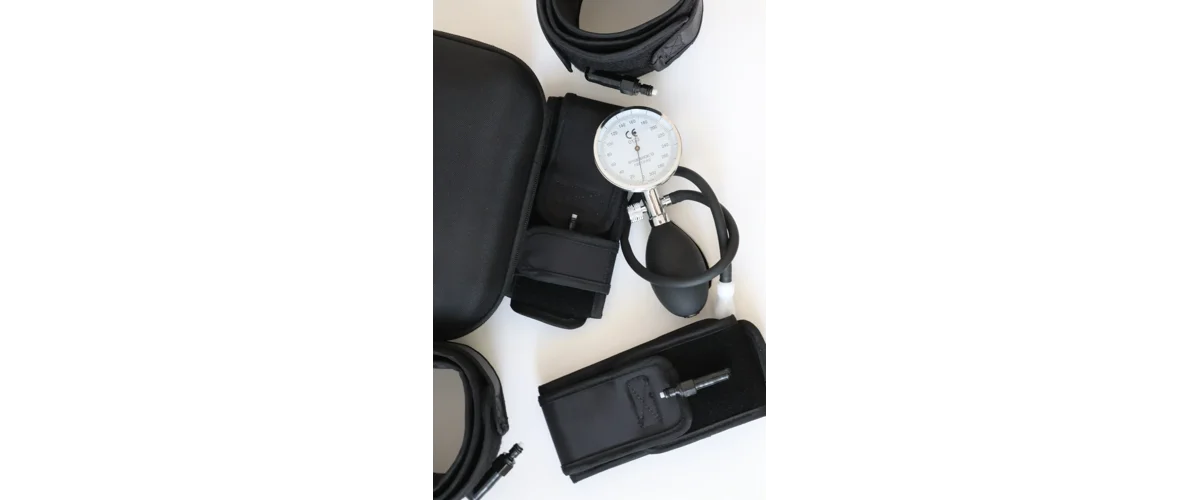
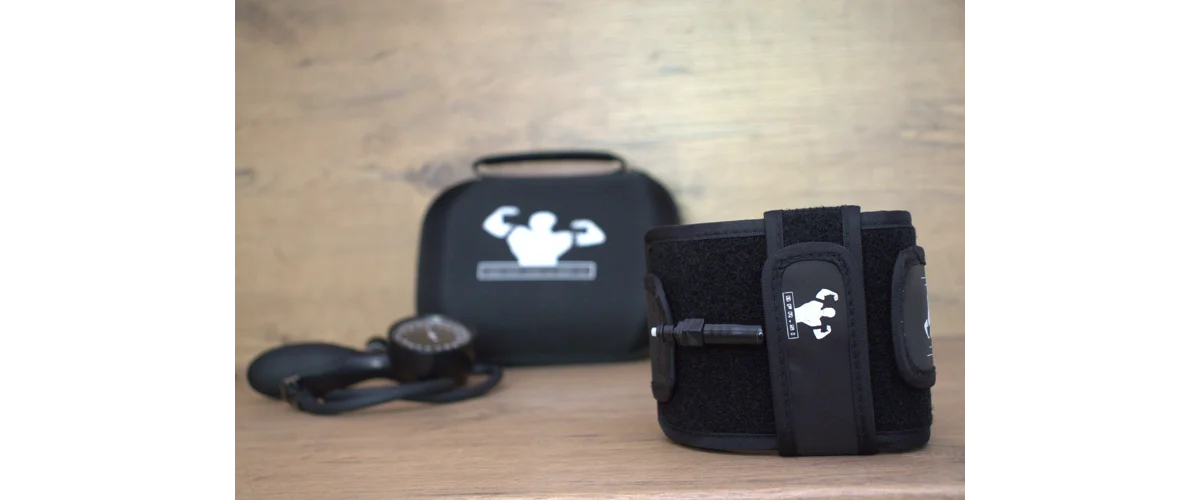
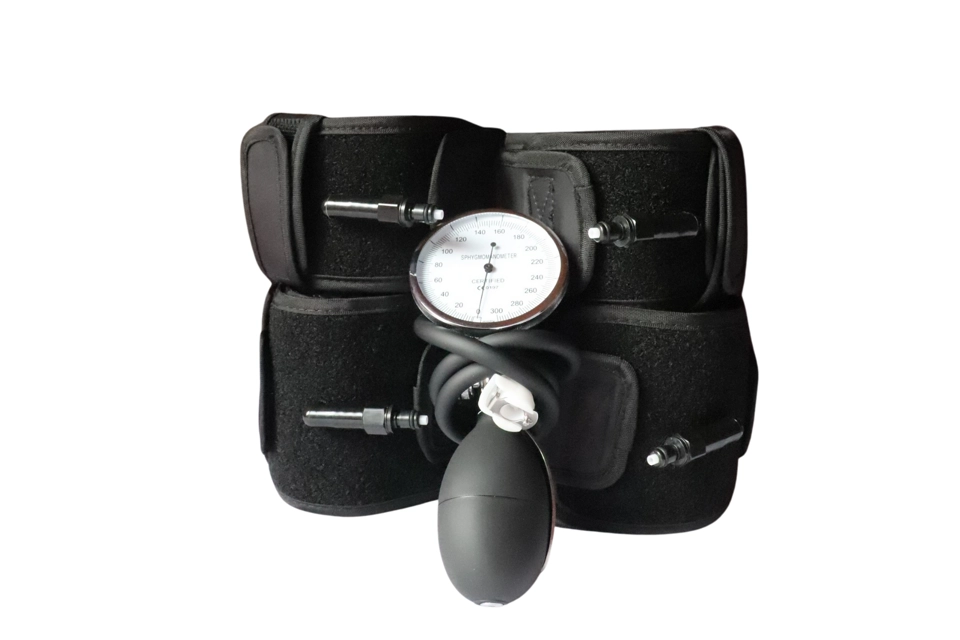
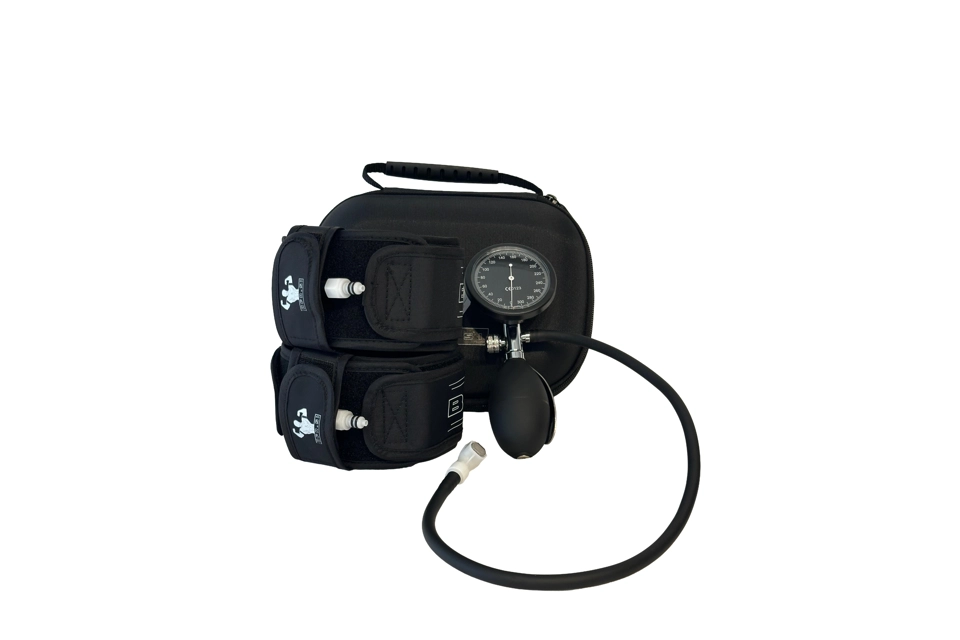
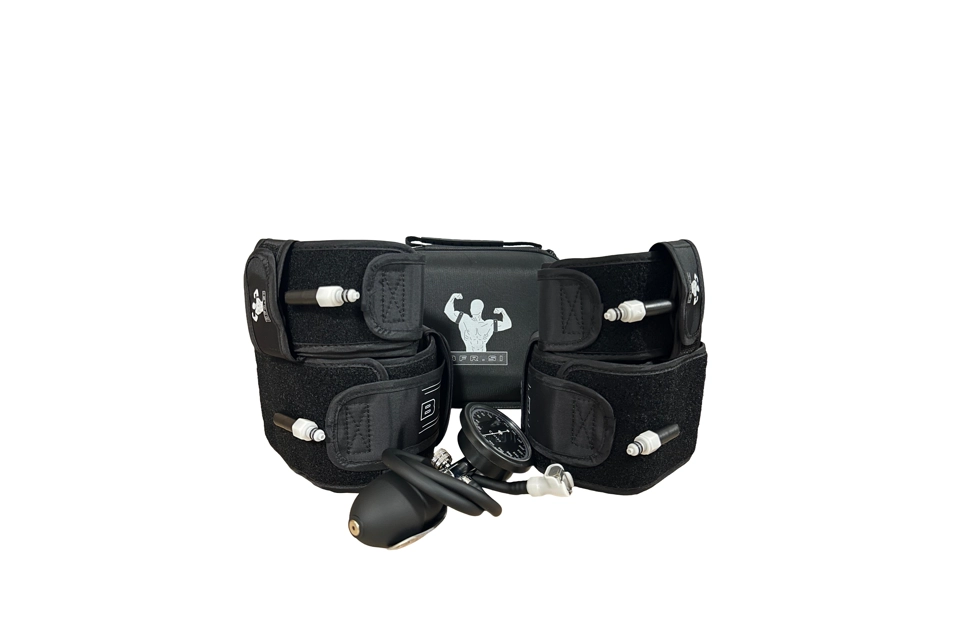
Generally we see two types of cuffs/bands being used for BFR training: pneumatic and non-pneumatic. NON-PNEUMATIC CUFFS : This category includes several materials used to restrict blood flow, most commonly polyester fabric bands with a plastic clip for adjusting the size. Some people also use tight elastic bands around their limbs. While these materials are cheaper, they have their reasons for it. Since they cannot be inflated and therefore cannot accurately measure the pressure or the precise p
Featured Products
Blog
-
![BLOOD FLOW RESTRICTION TRAINING AFTER ACL RECONSTRUCTION: WHAT DOES THE LATEST RESEARCH SHOW?]()
BLOOD FLOW RESTRICTION TRAINING AFTER ACL RECONSTRUCTION: WHAT DOES THE LATEST RESEARCH SHOW?
Blood Flow Restriction Training After ACL Reconstruction: What Does the Latest Research Show? Quadriceps weakness and muscle atrophy are among the most persistent challenges following anterior cruciate ligament reconstruction (ACLR). Restoring quadriceps strength is essential for regaining knee function, progressing through rehabilitation and eventually returning to sport. However, traditional high-load resistance training is not always..
-
![Blood Flow Restriction Training for Knee Osteoarthritis]()
Blood Flow Restriction Training for Knee Osteoarthritis
Knee osteoarthritis (OA) puts people in a bind. Strength training is a first-line treatment, but the heavy loads that build muscle can aggravate painful joints. Blood flow restriction (BFR) training is a possible way out: light weights, plus a cuff that partially restricts blood flow to the working muscles.
-
![Vascular Doppler Ultrasound - why you need one for BFR training]()
Vascular Doppler Ultrasound - why you need one for BFR training
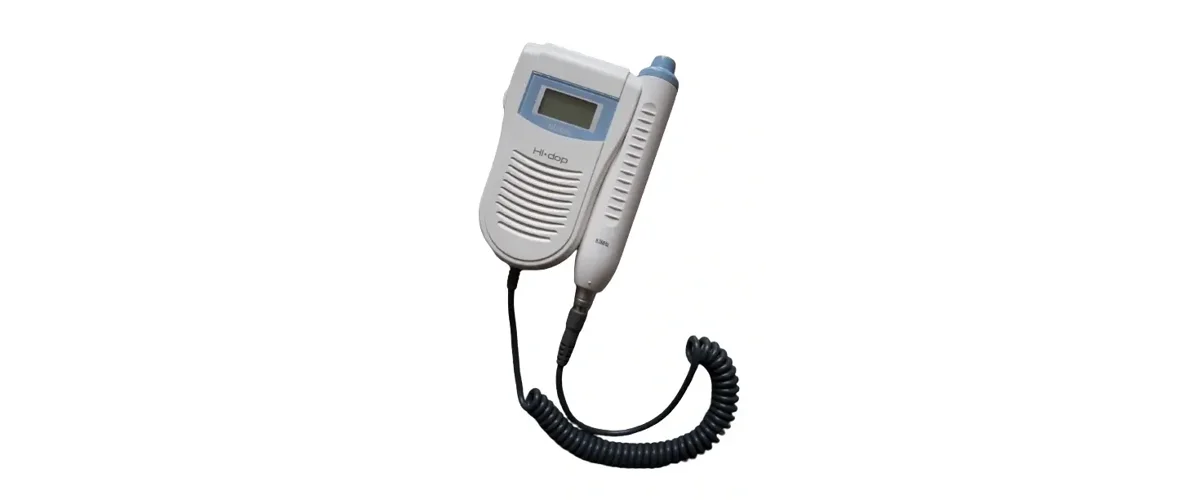
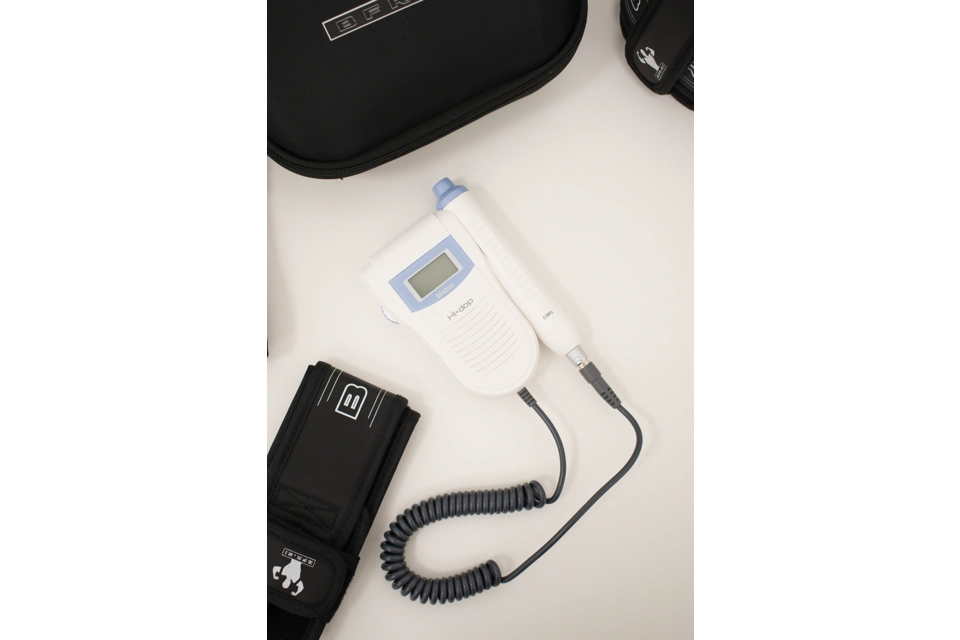
A handheld vascular Doppler ultrasound measures arterial occlusion pressure (AOP) — the key number that makes blood flow restriction (BFR) training safe and effective. Learn how it works, why individualized pressure matters more than fixed protocols, and how clinicians and coaches use it in practice.